
The Bettor’s Guide to Top 3 2026 World Cup Football Hosts
Kansas City is the strongest all-around destination for following 2026 World Cup football, combining six scheduled FIFA World Cup 2026 matches, a major FIFA Fan Festival, accessible transport, and a p...
The Bettor’s Guide to Top 3 2026 World Cup Football Hosts
Kansas City is the strongest all-around destination for following 2026 World Cup football, combining six scheduled FIFA World Cup 2026 matches, a major FIFA Fan Festival, accessible transport, and a proven football identity across the United States. The tournament will be hosted by Canada, Mexico, and the United States from June 11 to July 19, 2026, with 48 teams competing across 16 host cities. Kansas City stands out because its Arrowhead Stadium setting, Heart of America location, and Soccer Capital of America positioning create a concentrated fan experience rather than a scattered mega-event itinerary. Mexico City offers the deepest football heritage, while Toronto delivers the best cross-border urban experience and Canada’s only World Cup venue outside Vancouver. Football Insights ranks these three cities using match access, supporter atmosphere, travel practicality, football culture, and value for money. For the sharpest overall trip, choose Kansas City and track confirmed fixtures before placing any legal, responsible wager.
Kansas City wins my verdict. I’ll be honest with you: famous does not automatically mean valuable, and the biggest city on the tournament map is not always the smartest base for a serious football trip. A city can offer global attention yet punish you with long transfers, inflated accommodation, and a weak connection between the stadium, fan zones, and local culture. That is why this ranking focuses on what actually improves the 2026 World Cup football experience: how easily you can reach matches, where supporters gather, how much football identity surrounds the event, and whether your budget buys genuine convenience.
Want the tournament angle before the fixtures become the main conversation?
The Top 3 at a Glance
The three leading 2026 World Cup football cities are Kansas City, Mexico City, and Toronto. Kansas City takes first for balance: six matches, a strong American football and soccer culture, and a concentrated supporter environment. Mexico City ranks second for historic importance and atmosphere, while Toronto ranks third for international access, diverse communities, and value among major North American destinations.
- Kansas City — best overall: Six matches, a dedicated FIFA Fan Festival, and strong local football identity.
- Mexico City — best for football heritage: Estadio Azteca, historic significance, and unmatched national-team passion.
- Toronto — best value for international travelers: A multicultural city, efficient urban network, and Canada’s largest football market.
These rankings are not claims that other host cities lack quality. New York/New Jersey, Los Angeles, Miami, Dallas, Atlanta, Seattle, Vancouver, Philadelphia, Boston, Houston, San Francisco Bay Area, and Guadalajara all bring serious advantages. The difference is practical: Kansas City gives fans a compact, event-focused base; Mexico City offers cultural weight; Toronto rewards travelers who want urban convenience without paying for the tournament’s most glamorous address. For match predictions, city choice matters because travel fatigue, climate, kickoff timing, and crowd pressure can affect how you read a fixture.
#1 Kansas City: Best Overall for 2026 World Cup Football
Kansas City is the best overall 2026 World Cup football host because it combines six matches, a dedicated fan program, regional accessibility, and a supporter culture that extends beyond the stadium. The Kansas City region has positioned itself as the “Soccer Capital of America,” and its FIFA Fan Festival is designed to connect matches with food, entertainment, and international communities. For most travelers, that produces the cleanest balance of atmosphere, convenience, and value.
Kansas City’s advantage is concentration. Arrowhead Stadium, officially the home of the Kansas City Chiefs, gives the tournament a high-capacity American sports setting with a very different feel from a downtown football ground. That distinction matters. You are not simply buying entry to a match; you are entering a venue with established tailgating traditions, intense home support, and a regional sports identity that can amplify knockout-stage tension. The official Kansas City FIFA World Cup 2026 host-city website highlights six matches, the FIFA Fan Festival, and the region’s wider cultural program.
The first non-obvious edge is the relationship between matchday and off-site entertainment. In many host cities, supporters must choose between a distant stadium and a separate city-center fan zone. Kansas City’s tournament planning treats the FIFA Fan Festival as a central attraction, allowing travelers to build a full day around football rather than treating the match as an isolated two-hour event. That is useful for bettors as well: you can watch earlier games, review lineups, and assess weather or team news without crossing an enormous metropolitan area.
[Internal Link: 2026 World Cup match prediction guide]
A second operational insight is that Kansas City should be treated as a regional base, not merely a city-center stay. Accommodation near the stadium can sell out or become expensive during high-demand fixtures, while downtown Kansas City, Overland Park, and nearby Missouri-Kansas corridors may offer different price and transport trade-offs. Check the official stadium access plan before booking, compare total journey time rather than room price alone, and leave additional time for security procedures. The cheapest hotel is not a bargain if a rideshare surge turns a short trip into an expensive, uncertain transfer.
Kansas City also benefits from its food culture. Barbecue is not a decorative tourism detail here; it is part of the fan experience, and large supporter groups can turn restaurants and public spaces into informal international meeting points. The city’s regional identity is especially useful for visitors who want something beyond a stadium photograph. You can move from a morning of football analysis to a fan festival, then into a high-energy matchday environment without paying the premium attached to the most internationally famous American destinations.
Get the practical Kansas City breakdown before planning your matchday route.
#2 Mexico City: Best for Football Heritage
Mexico City is the best 2026 World Cup football destination for supporters who prioritize history, national-team emotion, and an unmistakable football culture. Estadio Azteca has hosted World Cup finals in 1970 and 1986, making Mexico City one of the tournament’s most historically important venues. The city also offers enormous cultural depth, although its altitude, traffic, and scale demand more planning than Kansas City.
The argument for Mexico City begins with Estadio Azteca. Few active football venues carry the same tournament legacy, and the stadium’s name immediately connects the 2026 competition with Pelé’s Brazil in 1970 and Diego Maradona’s Argentina in 1986. FIFA’s official World Cup tournament information confirms the historic three-country structure of the 2026 event, while Mexico City’s place in that structure gives the tournament an unusually strong link to previous editions.
A practical detail many casual previews miss is altitude. Mexico City sits at approximately 2,240 metres above sea level, and that environment can influence player recovery, pressing intensity, hydration, and the tempo of a match. It does not automatically decide a result, but it should influence serious match analysis. A team arriving from a low-altitude training base may need to manage its opening phases differently, while a side accustomed to Mexico City conditions can appear more comfortable late in each half. For Football Insights readers, altitude should be a contextual variable, not a lazy prediction shortcut.
Mexico City also creates a more volatile supporter environment. National-team matches can become emotionally overwhelming, especially when Mexico is involved, and the combination of passionate crowds, historic symbolism, and a huge metropolitan population produces powerful home-field pressure. However, value-conscious travelers must account for traffic, district selection, airport transfers, and longer journeys between accommodation, Estadio Azteca, and cultural attractions. The city can deliver the best atmosphere on this list, but it does not deliver the lowest-friction trip.
The value question is equally important. Mexico City can be more affordable than several United States host cities for food and accommodation, but prices around major fixtures may rise sharply. Avoid judging affordability through room rates alone. Add airport transfer costs, late-night transport, stadium access, and the time value of long journeys. A low nightly price in the wrong district can erase its advantage after two days of traffic and surge pricing.
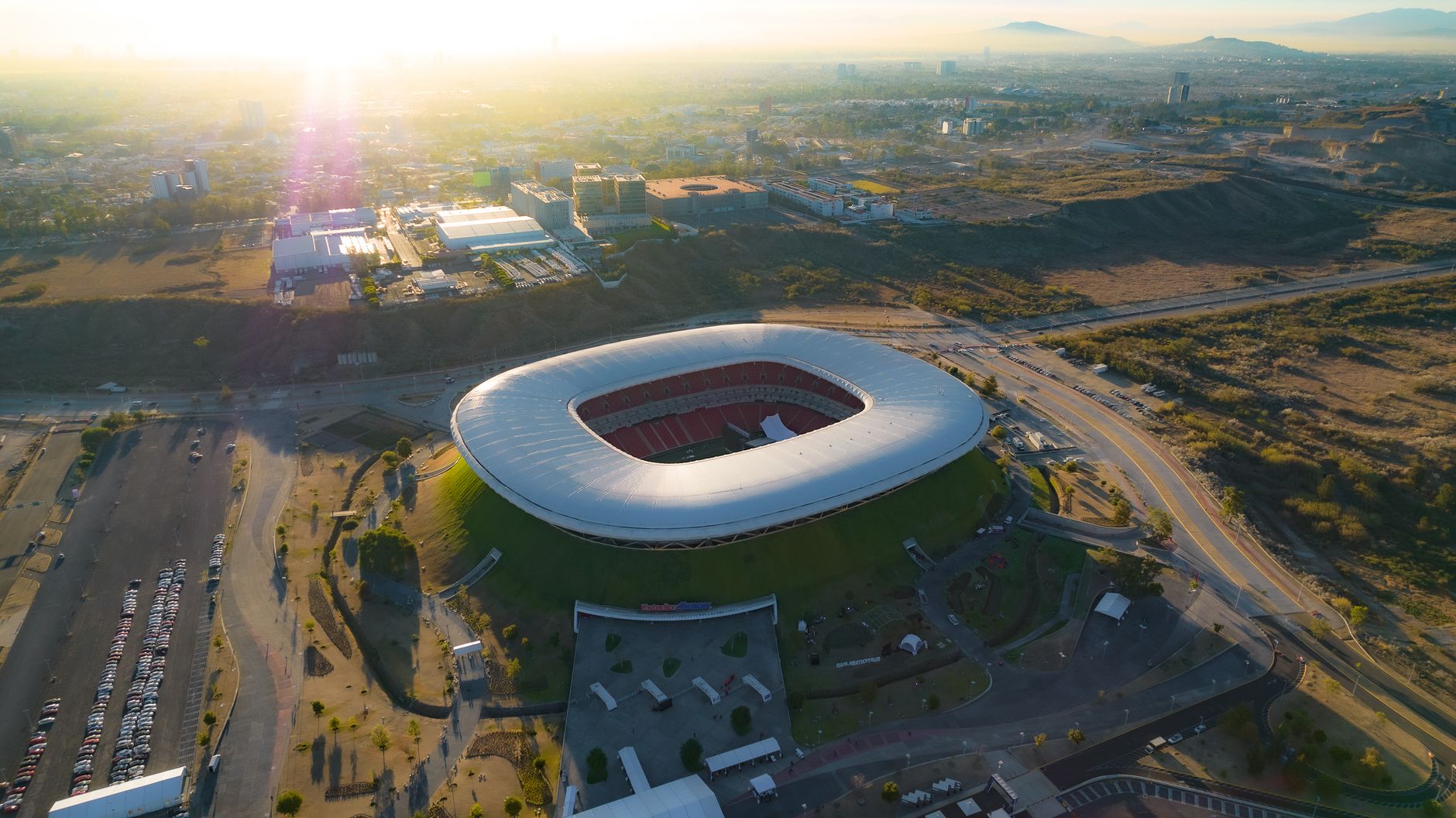
Photo by Carlos Reyes on Pexels
For football heritage, Mexico City is the clear choice. For operational efficiency, Kansas City remains superior. That contrast explains the ranking: Mexico City offers a higher historical ceiling, but Kansas City provides a more reliable total experience for the average international supporter. If you are building a betting schedule, Mexico City’s fixtures deserve extra attention around altitude, travel distance, and whether a team has completed adequate acclimatization.
#3 Toronto: Best Value for International Travelers
Toronto is the best-value 2026 World Cup football host for international travelers who want a major city, multicultural supporter communities, public transport, and Canada’s largest football market. Toronto will host matches at the venue now associated with BMO Field, while Canada’s tournament presence also includes Vancouver. The city may not match Mexico City’s historic drama or Kansas City’s dedicated regional identity, but it offers a strong balance between accessibility and urban variety.
Toronto’s core advantage is connectivity. Pearson International Airport serves a wide range of international routes, and the city’s public transport network gives visitors more alternatives than many North American destinations. That does not make every journey effortless, particularly during peak matchday periods, but it reduces dependence on private vehicles. For travelers comparing total trip costs, the ability to combine rail, streetcar, subway, and walking routes can matter more than a nominally cheaper hotel room in a less connected area.
Toronto is also unusually well suited to mixed supporter groups. The Greater Toronto Area contains communities connected to football cultures across Europe, Africa, Asia, Latin America, and the Caribbean. That diversity can create an authentic World Cup atmosphere even when the host nation is not playing. A supporter looking for international food, language communities, and multiple match-viewing venues can spend several days in Toronto without repeating the same type of experience.
The less obvious caution is venue scale and matchday timing. BMO Field is a football-specific environment with a different capacity and atmosphere from the enormous stadiums used in Dallas, Los Angeles, or New York/New Jersey. That is not a weakness by itself; smaller scale can make supporters feel closer to the action. However, demand may be intense because Canada has limited home venues compared with the United States, and accommodation near central Toronto can become expensive quickly. Book cancellable options early, then re-check prices after the official match schedule is released.
[Internal Link: World Cup travel and accommodation checklist]
From a betting perspective, Toronto may offer the cleanest environment for research between matches. The city’s time zone, connectivity, and abundance of public viewing locations make it easier to follow several games without losing an entire day to transportation. Still, do not confuse convenient viewing with guaranteed betting value. Market prices remain shaped by global information, and responsible bettors should compare odds, set a fixed budget, and never chase losses during a high-emotion tournament.
Toronto’s best-value label therefore means efficient overall spending, not guaranteed cheap tickets. A practical budget should include official ticket costs, accommodation, transit, food, possible currency exchange fees, and travel insurance. Canada’s Goods and Services Tax and provincial charges can also affect advertised prices, so compare final totals rather than headline rates. For a traveler who wants football plus a broad city experience, Toronto is the most balanced third-place selection.
See how Toronto compares with the other 2026 World Cup football destinations.
How Did We Rank the 2026 World Cup Football Cities?
We ranked the cities using five weighted criteria: match access at 30%, supporter atmosphere at 25%, travel practicality at 20%, football heritage at 15%, and value for money at 10%. This weighting favors the complete trip rather than celebrity status, so Kansas City can outrank a globally famous destination despite having a smaller population. The method is designed for supporters who want useful decisions, not generic tourism praise.
The scoring framework works as follows:
- Match access — 30%: Number of scheduled matches, venue relevance, ticket demand, and stadium access.
- Supporter atmosphere — 25%: Fan festivals, local football culture, national-team energy, and viewing options.
- Travel practicality — 20%: Airports, public transport, city scale, transfer reliability, and accommodation choices.
- Football heritage — 15%: Historic venues, national-team significance, club culture, and tournament legacy.
- Value for money — 10%: Accommodation flexibility, food, transport, and the total cost of a realistic trip.
This approach produces a deliberate result. Kansas City scores strongly across four categories without requiring travelers to accept the friction of a megacity. Mexico City dominates heritage and atmosphere but loses points on altitude, traffic, and trip complexity. Toronto performs steadily across the categories and receives its strongest relative advantage from connectivity and urban flexibility. The 10% value weighting is intentionally conservative because prices can change dramatically when FIFA confirms fixture dates, participating teams, and ticket phases.
A useful information-gain rule is to separate ticket value from trip value. Ticket value asks whether the seat and fixture justify their price. Trip value asks whether the surrounding transport, accommodation, food, and time commitment make the entire journey worthwhile. A city can offer a reasonably priced ticket but poor trip value if hotel rates and transfers multiply the total cost. This is why our ranking does not simply count stadium capacity or social-media popularity.
We also considered the difference between scheduled information and confirmed information. Host-city websites such as Kansas City FIFA World Cup 2026 provide useful regional planning details, but supporters should verify final match schedules, ticket rules, venue policies, and transport instructions through FIFA and official local authorities. FIFA’s public tournament material states that “the FIFA World Cup 26 will be the biggest and most inclusive FIFA World Cup ever,” reflecting the expanded 48-team format. That scale makes early planning valuable, but it also means details can change.
For betting research, our ranking is a starting filter rather than a prediction model. Venue familiarity, climate, altitude, travel distance, and rest days can improve analysis, but they should be combined with squad availability, tactical matchups, expected lineups, and current market prices. No host-city advantage justifies staking money you cannot afford to lose, and no “insider” angle eliminates uncertainty.
Which 2026 World Cup Football City Should You Pick?
Choose Kansas City if you want the strongest all-round matchday experience, Mexico City if football history and atmosphere matter most, and Toronto if international access and urban flexibility are your priorities. Kansas City is the safest recommendation for most supporters because it combines six matches with a concentrated festival environment. Mexico City is the emotional choice, while Toronto is the practical choice for travelers building a wider North American itinerary.
Use this decision guide before committing money:
- Pick Kansas City for concentrated fan activity, six scheduled matches, American sports energy, and a strong food-and-football weekend.
- Pick Mexico City for Estadio Azteca, World Cup history, Mexican football culture, and a louder national-team atmosphere.
- Pick Toronto for international flights, public transport, multicultural viewing communities, and a broader city break.
- Avoid rushing between host cities if your itinerary leaves less than a full recovery day between matches.
- Track official updates before purchasing non-refundable accommodation or transport.
- Set a travel and betting budget separately so tournament excitement does not distort either decision.
The contrarian conclusion is simple: do not automatically choose the host city with the biggest brand recognition. A famous city can be the wrong base if it forces long transfers and premium accommodation, while a less obvious destination can produce more football per dollar and less logistical stress. Kansas City’s strength is not glamour; it is efficiency. That is precisely why it ranks first for readers who want to watch more, move less, and preserve their budget for the matches that actually matter.
Football Insights will continue covering team tactics, player statistics, match predictions, and tournament developments as the 2026 World Cup approaches. Use those insights to improve your preparation, not to manufacture certainty. The best plan is the one that survives fixture changes, travel delays, and an unexpected result without damaging your finances.
Make Kansas City your default, then compare the confirmed schedule before booking.
Frequently Asked Questions
Q: What is the 2026 World Cup football tournament?
A: The 2026 World Cup football tournament is FIFA’s men’s international championship hosted by Canada, Mexico, and the United States from June 11 to July 19, 2026. It will feature 48 teams, an expansion from the previous 32-team format, and matches across 16 host cities. The larger structure creates more fixtures and travel possibilities, so supporters should follow FIFA’s confirmed schedule rather than relying on early assumptions.
Q: Which city is best for watching 2026 World Cup football?
A: Kansas City is the best overall city for watching 2026 World Cup football because it combines six scheduled matches, a FIFA Fan Festival, and a strong supporter culture. Its regional setting can be easier to manage than larger host cities with longer transfers and higher accommodation pressure. Mexico City is better for historic football atmosphere, while Toronto is better for international connectivity and urban flexibility.
Q: How should I plan a 2026 World Cup football trip?
A: Start by confirming the official fixture, venue rules, ticket conditions, and transport plan before booking non-refundable travel. Then compare the total cost of accommodation, airport transfers, local transport, food, insurance, and match tickets rather than comparing room prices alone. Leave at least one recovery day when traveling between distant host cities, particularly across different time zones.
Q: What is the difference between Kansas City and Mexico City for the World Cup?
A: Kansas City offers greater trip efficiency and a concentrated fan experience, while Mexico City offers stronger historic importance and national-team emotion. Kansas City is associated with six matches, a FIFA Fan Festival, and Arrowhead Stadium; Mexico City brings Estadio Azteca and significant altitude. Choose Kansas City for convenience and value, or Mexico City for heritage and atmosphere.
Q: Is Toronto a good-value 2026 World Cup destination?
A: Toronto can be a good-value destination because international flights, public transport, multicultural viewing venues, and a broad accommodation market create several planning options. It is not guaranteed to be cheap, especially near high-demand matches at BMO Field, and central hotels can rise quickly after the fixture announcement. Compare final prices including Canadian taxes, transport, currency costs, and insurance before deciding.
Q: What should I do if 2026 World Cup accommodation prices rise?
A: If accommodation prices rise, compare neighborhoods connected by reliable public transport, use flexible or cancellable reservations, and calculate the full commute cost before choosing a cheaper room. Kansas City travelers should examine downtown Kansas City, Overland Park, and nearby Missouri-Kansas areas, while Toronto travelers can compare locations along rail and subway routes. Never book a distant property solely because its nightly rate looks lower.
Q: Can host-city information improve World Cup betting predictions?
A: Host-city information can improve betting analysis when it is combined with team news, tactics, rest days, and confirmed lineups. Altitude in Mexico City, travel distance across North America, climate, kickoff timing, and crowd pressure may affect match tempo and player recovery. These factors do not guarantee an outcome, so use legal operators where available, set a fixed budget, and never chase losses.
Thank you for reading.
For those who play for more than just the thrill.
Football Insights · The High-Stakes Editorial · No. 01